
Learn About Lion Coffee
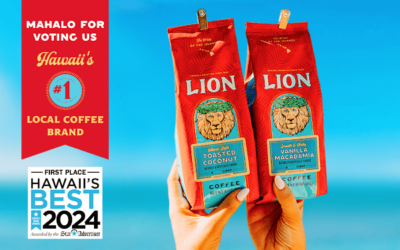
Lion Coffee, Hawaii’s #1 Local Coffee Brand
Hawaii is known for many things: its stunning beaches, vibrant culture, and breathtaking landscapes. But there's one more treasure - coffee. And when it comes to coffee that locals love, Lion Coffee stands proudly at the top! Voted as Hawaii's #1 Local...
BEST OF HAWAII 2022 First Place: Local Coffee
Mahalo for voting Lion Coffee as the Best Local Coffee Brand! We are beyond happy and humbled to have received this award two years in a row and grateful for the support of our wonderful community. Lela Gentry and Davey D. stopped by our café to...

Thanking Our Medical Community
Hawaii Coffee Company wanted to thank our heroes in the local medical community for their dedicated service and commitment to the public’s wellbeing. As a small token of our appreciation, we donated some of our new Lion Ready-To-Drink Cold Brew Coffees to Kaiser...
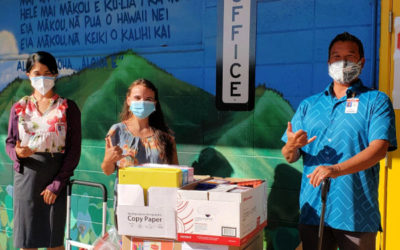
Back to School Supply Drive a Success!
As school doors are re-opening and welcoming students again for in-person classes, excitement and anticipation buzzes through the air. We thought, “how could we support the teachers and students?” How about a school supply drive! From essentials like binders,...
Lion Coffee Voted Hawaii’s Best 2021!
We are proud to announce that Lion Coffee has been voted as “Hawaii’s Best 2021” for Honolulu Star-Advertiser’s People’s Choice Awards for Local Coffee as well as KITV4’s 2021 “Best of Hawaii” Viewer’s Choice Awards for Local Coffee Brand.We are overjoyed by the...
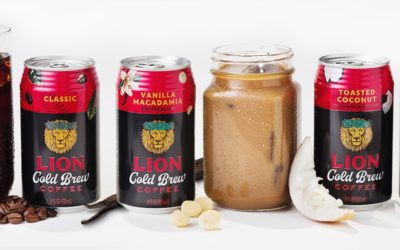
*NEW* Lion Cold Brew Coffees! (Hawaii Exclusive)
Have you heard? Lion Coffee launched a new product line of Ready-To-Drink (RTD) Cold Brew Coffees in August 2021! These 11-ounce cans are available at select grocery and convenience stores statewide. Kama’aina and visitors alike will now be able to enjoy...
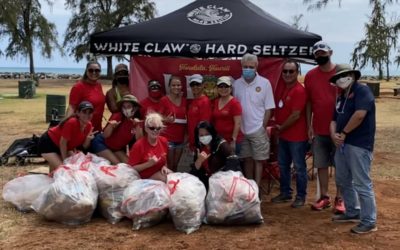
Beach Cleanups: It Starts in Our Neighborhood
As part of our sustainability initiative, over the past couple months, Hawaii Coffee Company (HCC) has spearheaded 3 beach cleanups at Sand Island Beach Park. Members of HCC collectively gathered and responsibly disposed of hundreds of...
Lion Coffee Voted as Hawaii’s Best Coffee 2020
We're pleased to announce that Lion Coffee has been voted as "Hawaii's Best" in the coffee category of the Honolulu Star-Advertiser’s People’s Choice Awards 2020. There have been many challenges presented to our lives and businesses this year, but we’re proud, and...
Lion Coffee Voted as Hawaii’s Best Coffee 2019
We are proud to announce that Lion Coffee has been voted as "Hawaii's Best 2019" in the coffee category in the Honolulu Star-Advertiser's People's Choice Awards. This is the fifth time we have received this honor since 2014, and we are thrilled that the hard work and...
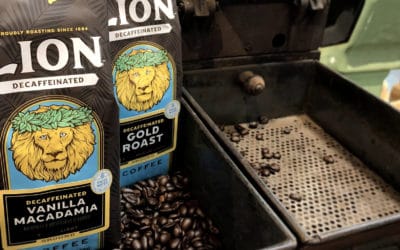
Swiss Water Decaf – A Better Way To Be Caffeine Free
The Swiss Water® decaf process is a solvent-free decaffeination process that utilises pure fresh water - and never compromises the quality or taste of our beans. By now I'm sure you’ve heard of the many benefits that may be associated with coffee consumption, and...